Dry stone wall "Hee Briggu"
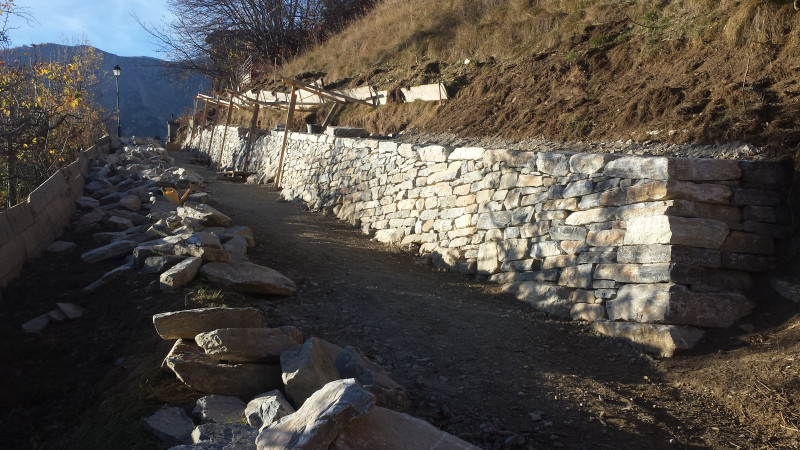
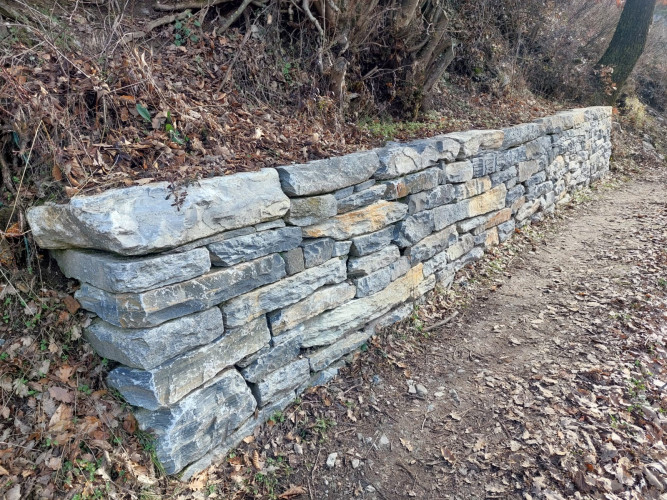
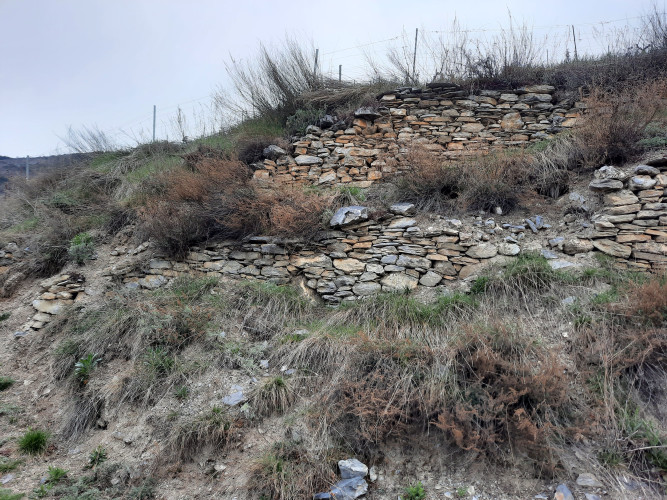
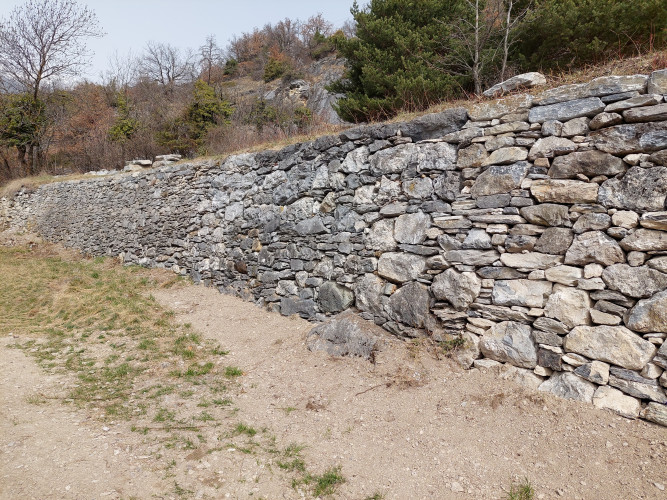
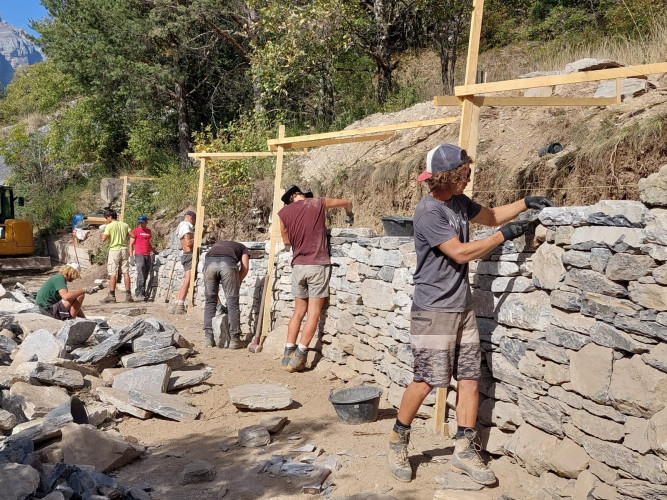
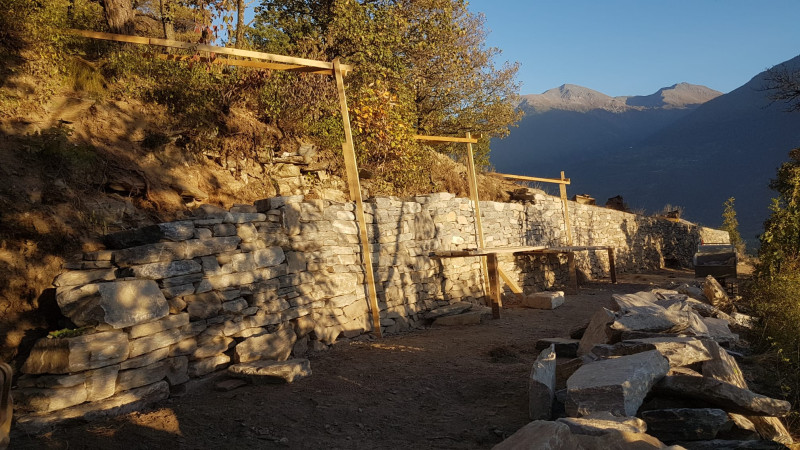
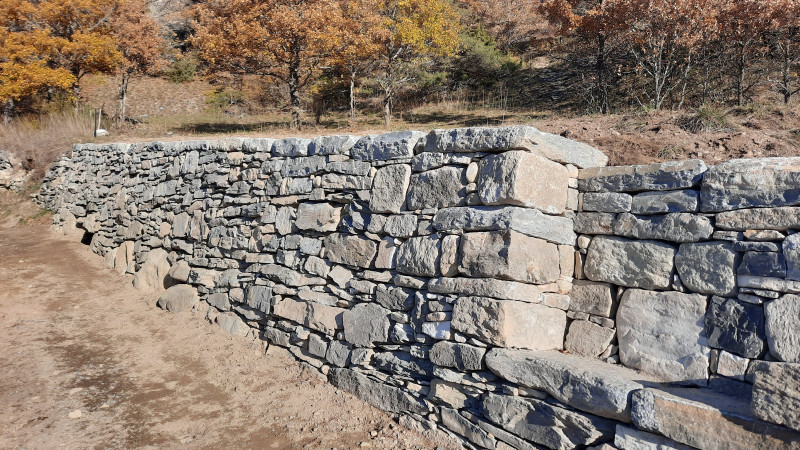
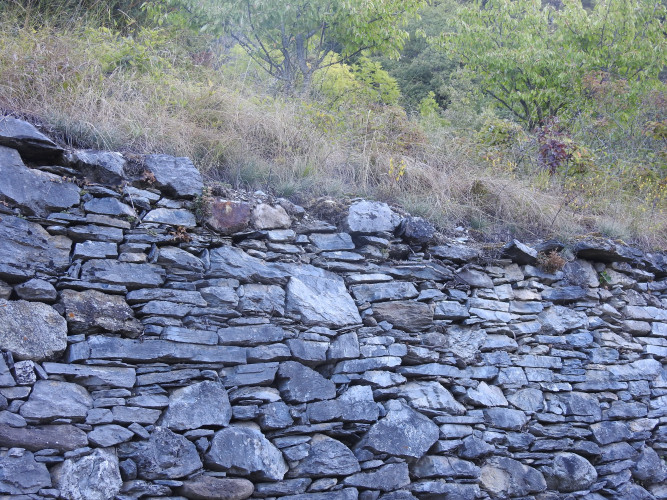
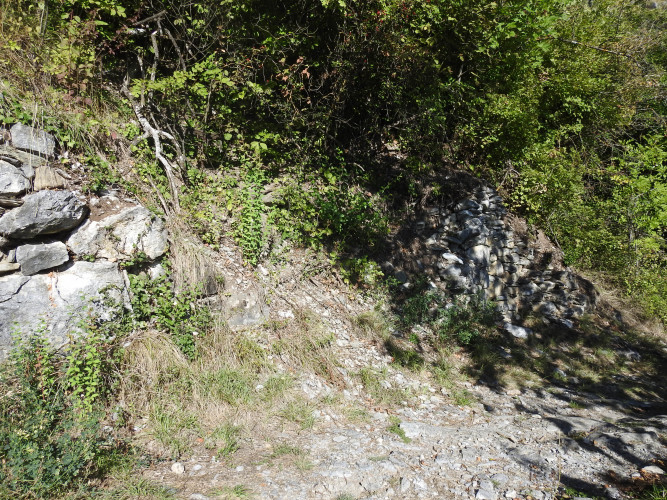
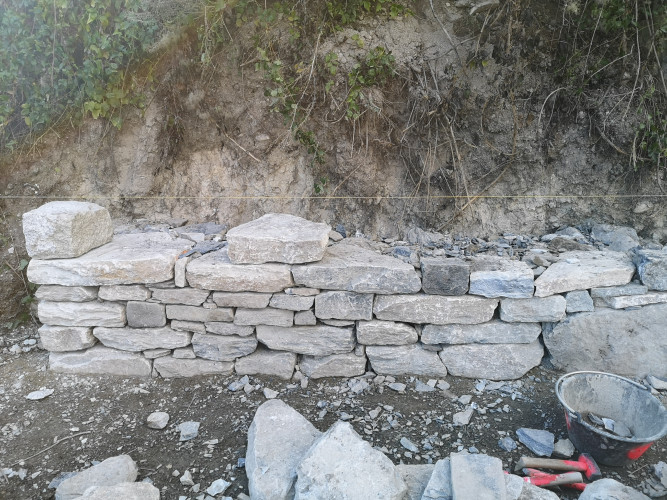
2020As part of a further education course for adults, a new wall was built near the "Hee Briggu" in Salgesch to enhance the cultural landscape and secure walking paths.
Nature / LandscapeBiodiversityAgriculture


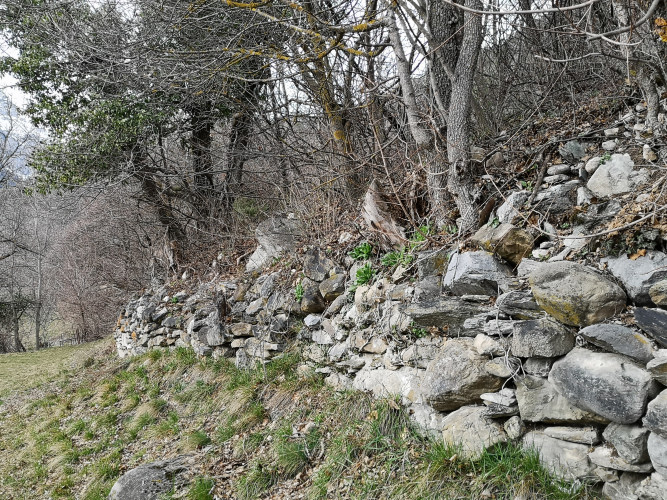
The dry stone walls stand along an old mule track that once connected Leuk-Stadt with Leukerbad. The section has been designated as an international transport route that holds national importance. The old walls are being renovated in stages.
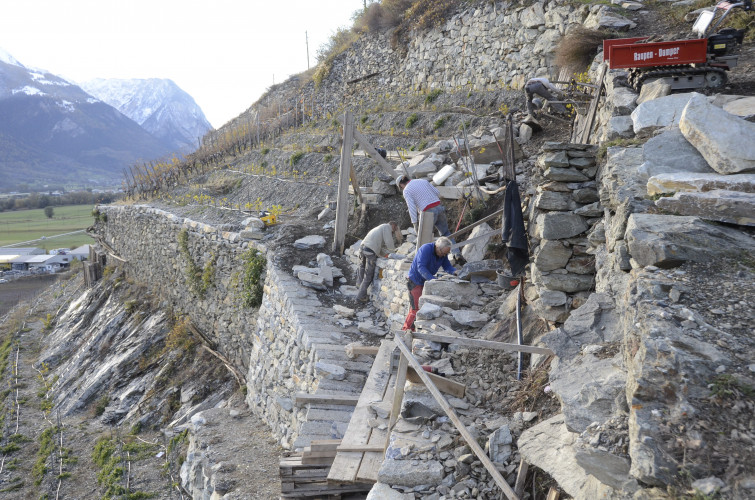
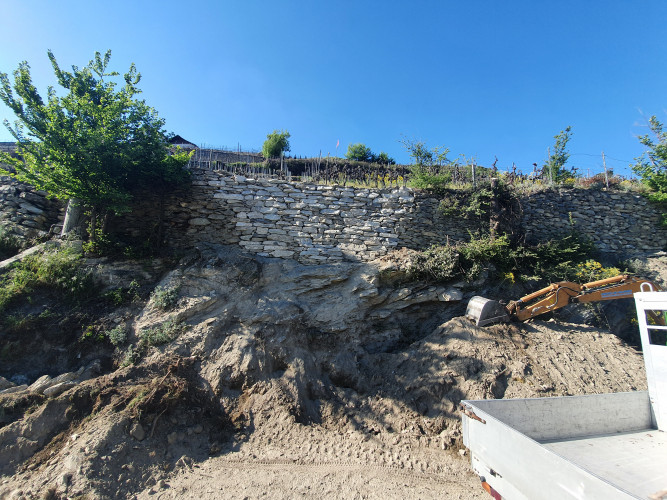
Depending on what state the old walls are in, partial renovation or demolition with new construction is necessary. They are also regularly cleared of vegetation. The measures are implemented by skilled workers, guided community service, volunteer groups or as part of a dry stone wall class. To preserve the cultural landscape and to secure and upgrade the hiking trail, this project is being implemented together with the municipality of Leuk and with financial support from FEDRO and the canton.
As an ancient cultural asset, dry stone walls also significantly shape the landscape of the vineyards in Valais. They represent an attractive and important habitat for many animal species (e.g. lizards, wild bees, butterflies). Therefore, wherever possible, destroyed dry stone walls should be restored. The aim is to prevent them from being largely replaced by ecologically worthless concrete walls.
As part of a further education course for adults, a new wall was built near the "Hee Briggu" in Salgesch to enhance the cultural landscape and secure walking paths.
Dry stone walls are ecologically very valuable structures. In the “PTUZ” area in Salgesch, a wall was renovated to preserve biodiversity and the cultural landscape.
Dry stone walls are ecologically very valuable structures. The wall along the Mühleweg path in Albinen was rebuilt to preserve biodiversity and the cultural landscape.
Dry stone walls are ecologically very valuable structures. Along the Emerald Lizard Trail in Salgesch, a wall was renovated to preserve biodiversity and the cultural landscape.
Dry stone walls are ecologically very valuable structures. In the “Horied” area in Gampel, a wall was renovated to preserve biodiversity and the cultural landscape.
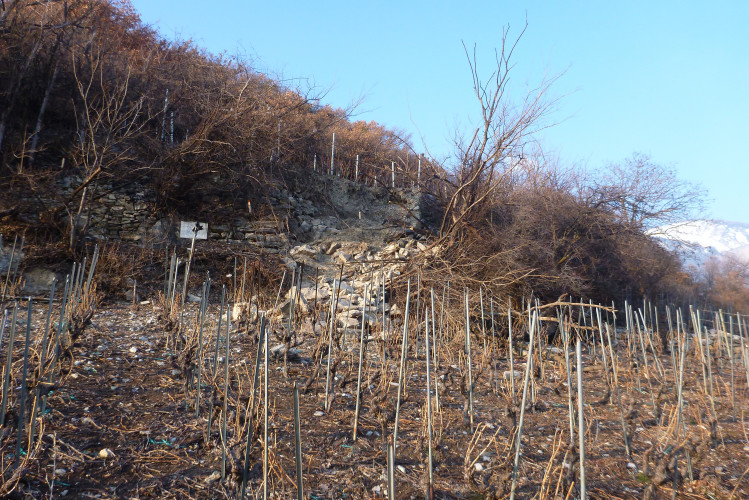
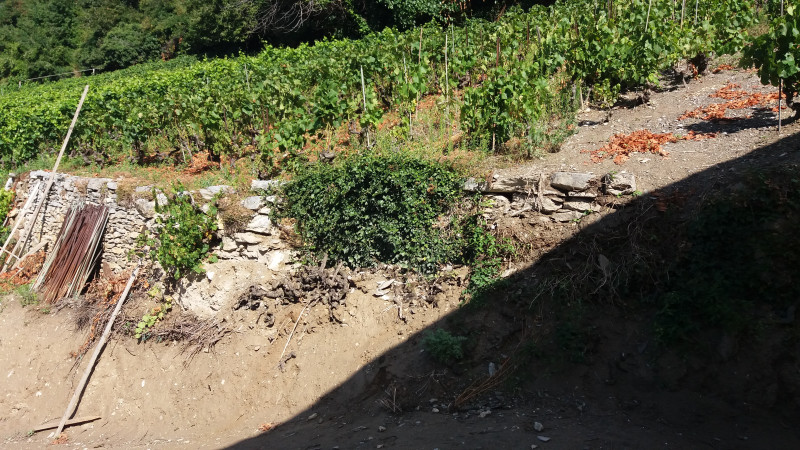
Dry stone walls are ecologically very valuable structures. The dry stone wall in the area called “Trong” in Salgesch was professionally renovated. The wall was partially destroyed by heavy rains in the winter of 2017/18.
Dry stone walls are ecologically very valuable structures. In the “HELL” area in Salgesch, a wall was renovated to preserve biodiversity and the cultural landscape.
Dry stone walls are ecologically very valuable structures. In the “Milliere” area in Sierre, a wall was renovated to preserve biodiversity and the cultural landscape.
Dry stone walls are ecologically very valuable structures. Along the Emerald Lizard Trail in Salgesch, a wall was renovated to preserve biodiversity and the cultural landscape.